
The Importance of
Lightning Protection
In the past, homes had only basic appliances like stoves, fridges, and Hi-Fi systems. Today, things are different. Most devices are now digitally controlled and far more sensitive to electrical surges.

Modern Homes = More Vulnerable
We now rely on:
-
TVs, decoders, and DVD players
-
Complex Hi-Fi systems
-
Powerful computers and smart tech
-
Devices connected to power, telecom, and antenna lines
All of these are at risk during lightning strikes or electrical surges.
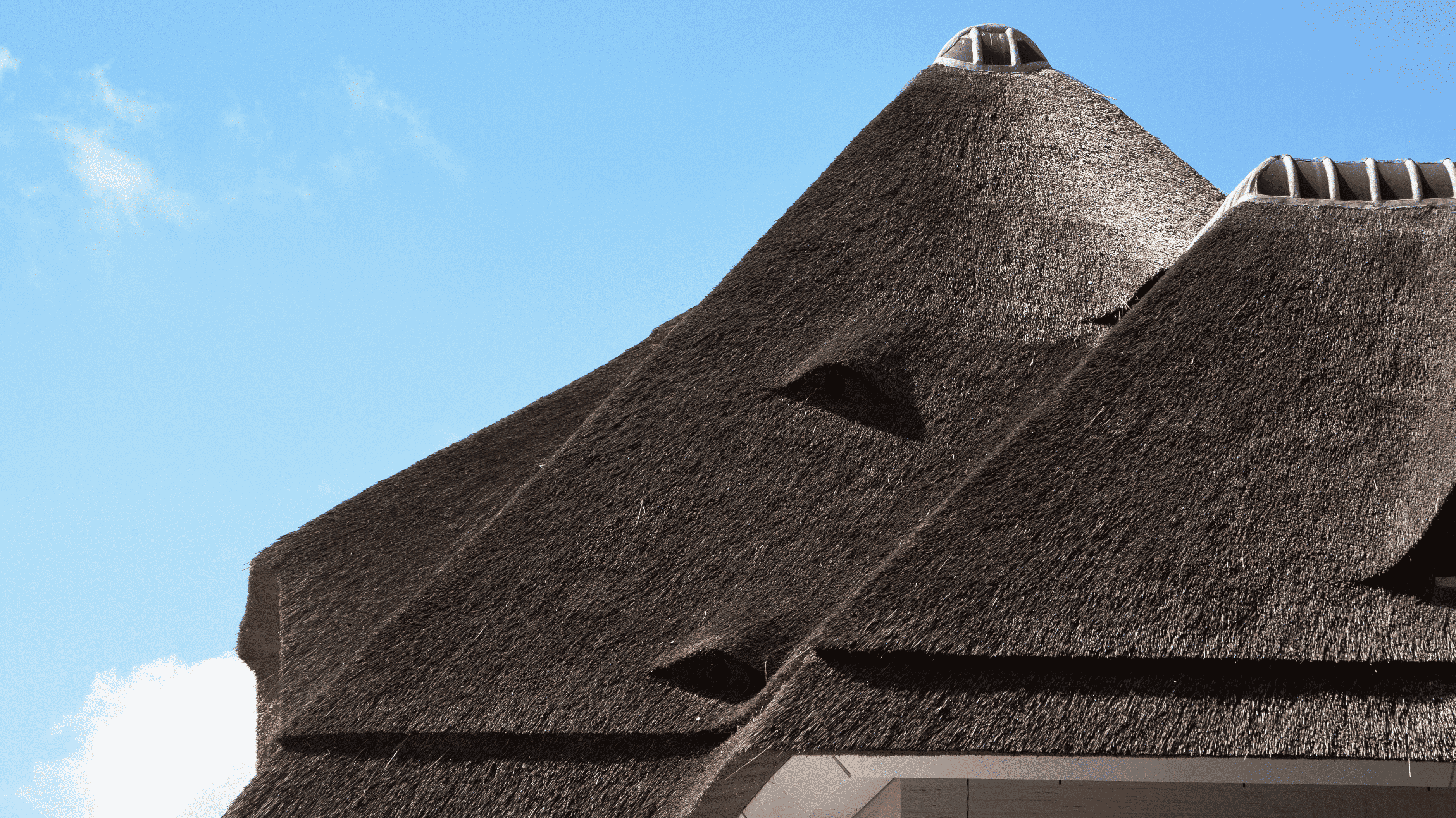
Thatch Roof? You're at Higher Risk
Thatch-roofed buildings are at higher risk—lightning can ignite thatch fast. An SABS-certified lightning conductor is essential for fire safety.
We apply Thatch Marshal 8000, a unique water-based fire retardant designed specifically for thatch. It:
-
Reduces flame spread
-
Improves fire safety
-
Enhances the look of your thatch roof

Protect What Matters
A single lightning event can:
-
Destroy electronics
-
Cause costly damage
-
Start fires
-
Lead to data loss
Stop Surge provides certified, compliant, and professional solutions to keep your property safe.
Understanding
Mesh Systems vs Lightning Masts
Not all buildings need the same type of lightning protection. Two of the most common systems are Mesh Systems and Lightning Masts. Here’s how they differ:

Mesh Systems (Faraday Cage Method)
Best for:
-
Buildings with flat or large roof surfaces
-
Commercial or industrial structures
How it works:
A network of conductors (metal strips or wires) is installed on the roof and connected to down conductors on the sides of the building. This forms a protective cage around the structure, safely guiding lightning to the ground.
Benefits:
✔️ Distributes lightning energy evenly
✔️ Provides complete coverage for the roof
✔️ Often integrated into the building’s structure

Lightning Masts (Air Termination Rods)
Best for:
-
Tall buildings or free-standing structures
-
Thatch-roof homes or high-risk areas
How it works:
A vertical rod or pole (the mast) is placed strategically at a key point next to the structure. It directs lightning safely to the ground through a connected conductor system.
Benefits:
✔️ Effective for high points or open areas
✔️ Reduces the chance of direct strikes to the roof
✔️ Ideal for protecting isolated structures